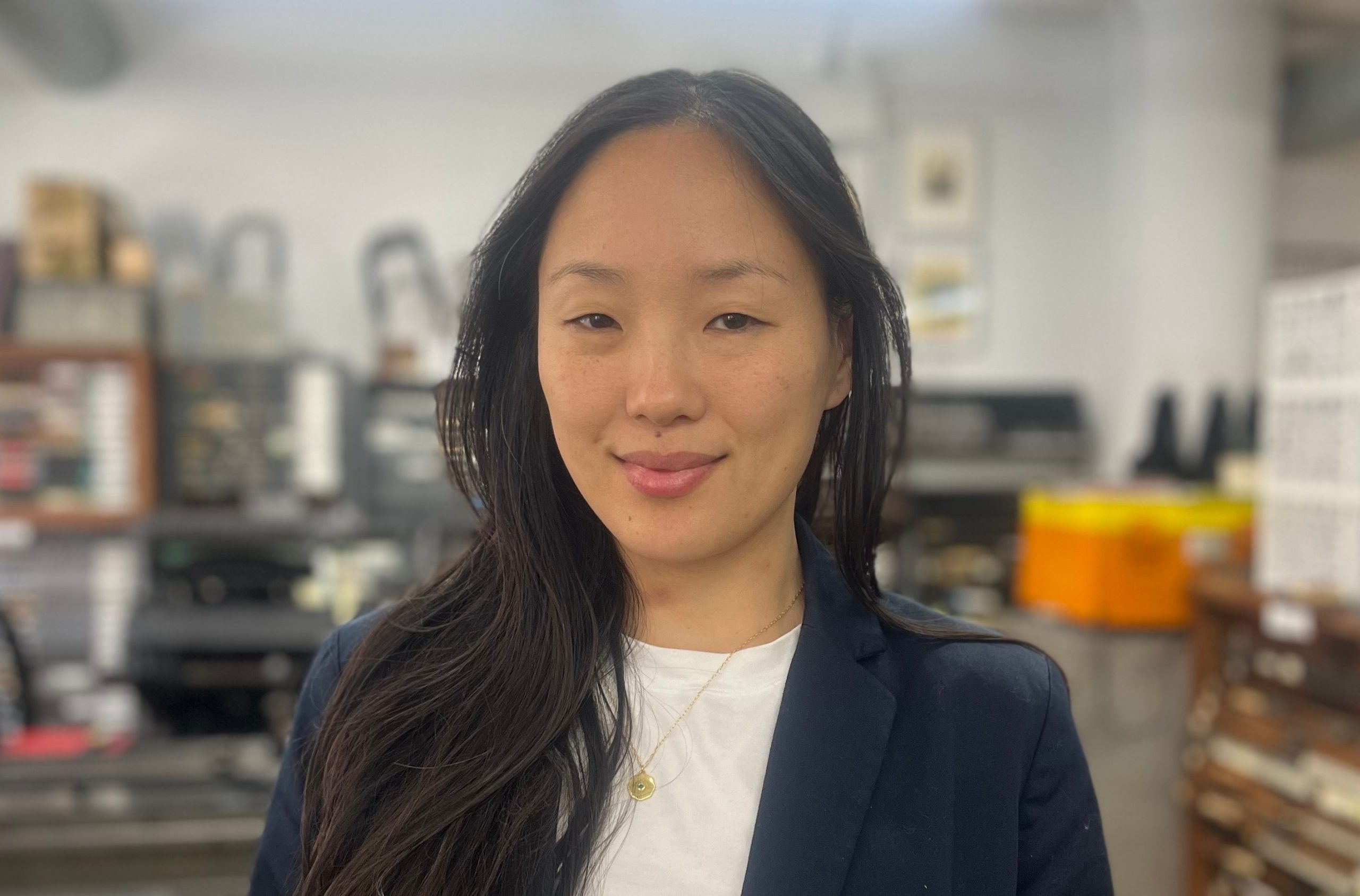

Angelina Lippert, Executive Director & Chief Curator at Poster House
Nov 19, 2025
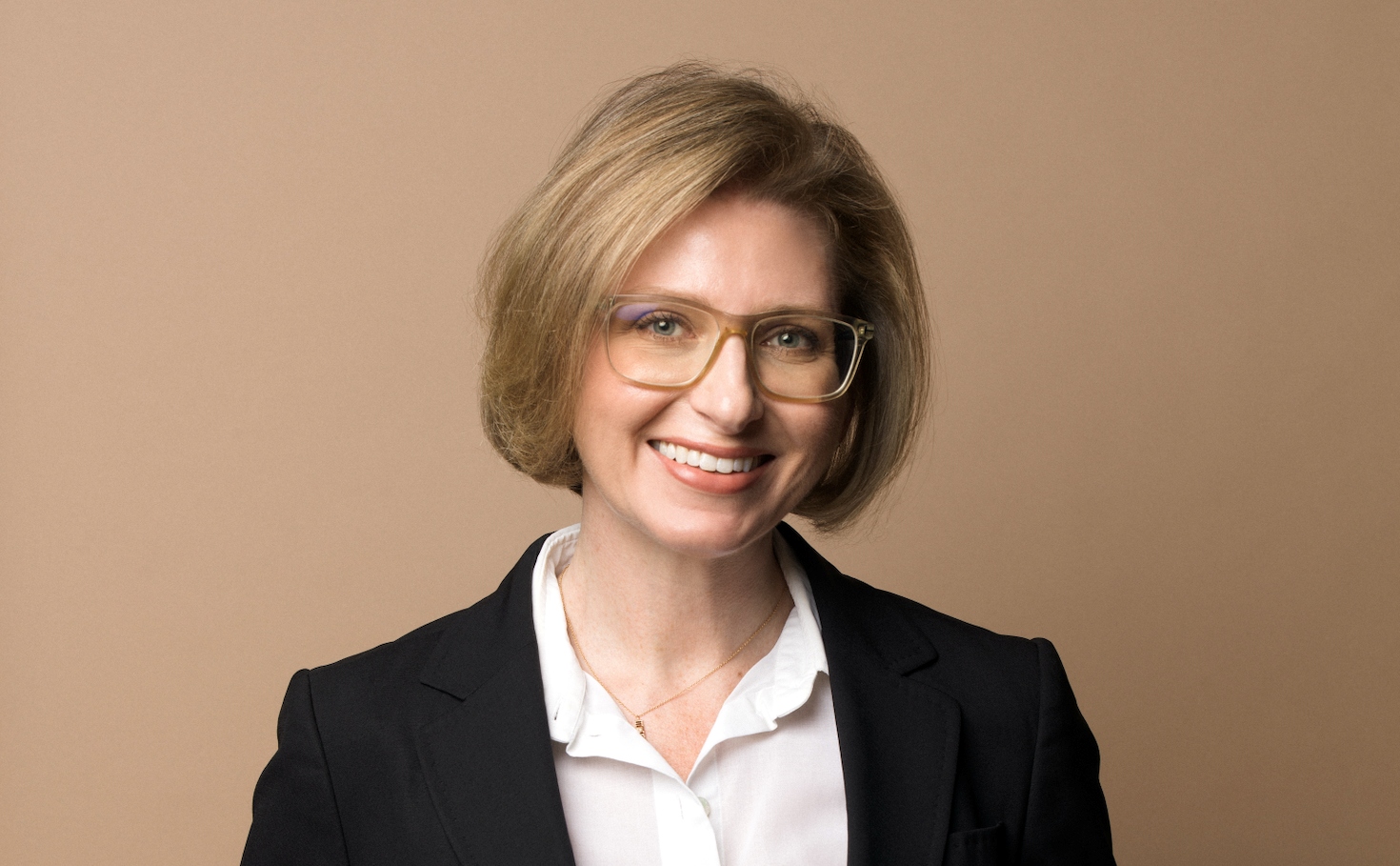
Meet Angelina Lippert, Executive Director and Chief Curator at the museum Poster House located at 119 West 23rd Street in Flatiron.
1. Poster House opened in 2019 and is the first museum in the country dedicated to the history of the poster. Tell us more about Poster House’s mission.
Poster House is the first and only museum in the United States dedicated to celebrating the art and history of posters. This type of visual communication has existed in pretty much every country and culture around the world since the late 1870s, and serves as an amazing window into how societies functioned — from protest movements to product advertising, concerts to elections, posters are some of the best examples of how people have communicated ideas to the masses. We use posters as a means of exploring those histories and creating larger understandings around design and visual culture.
2. Describe your roles as Executive Director and Chief Curator. What aspect of the job excites you most?
Oh gosh, that’s hard! I started my career with Poster House back in 2017 as the inaugural curator; I’ve always been a poster historian. So, obviously, that part of the job is the one that’s closest to my heart; I love posters, and I want people to discover a similar enthusiasm and appreciation for this under-researched artform. When I became the director last year, though, that has given me the tremendous opportunity (and responsibility) to steward a young, vibrant arts organization in New York City. I’m no longer just thinking about exhibitions, but how our exhibitions fit within the larger cultural fabric of the city, and how we as an arts organization can stand out on that very crowded landscape through educational experiences, dynamic programs, and meaningful outreach.
3. You earned an MA in the art of the Russian Avant-Garde from the Courtauld Institute of Art in London, and a BA in theology and art history from Smith College. What led you to pursue a career in the arts? For those aspiring to work in the field, what professional advice can you share?
I was originally going to be a virologist, so this was a bit of a hard left turn for my parents to accept. But what made me change my mind was actually one of those magical a-ha moments in a museum. I was on a class trip to the Fogg Museum in Boston, and I saw a triptych by Max Beckmann for the first time. I knew I needed to move beyond the lab and find a way to be around things that could inspire such strong reactions. Of course, I thought I was going to go run Sotheby’s (which, if they’re reading this, you really need to bring back your poster department). Knowing that I needed a fancy New York internship before grad school, I accepted a very random one that was offered to me through a friend’s father–and I was seriously bummed out that it wasn’t Gagosian, but a vintage poster gallery. I didn’t understand what posters were, and I certainly didn’t care about them; however, the owner was so generous with his knowledge that by the end of the summer I was fully converted. So my advice is always to say yes to the random opportunity that may not be what you think you want–my saying yes changed my entire career. I also strongly recommend that people start at smaller mom-and-pop sized arts orgs because you’re going to get far more useful experience in places that are stretched thin than you would fetching coffee for three months at a larger institution.
4. What are the current and upcoming exhibitions on view at Poster House? Do you have a personal favorite?
My favorite show was the Soviet Avant-Garde exhibition I did a few years ago. I got to write about a time period and art movement that I adore, and I also got to work with the incredible collector Ralph DeLuca, whose Soviet poster collection is pretty much unmatched. Currently, our exhibition The Future Was Then: The Changing Face of Fascist Italy explores the rise of fascism and how a society can so quickly bow to those pressures—and that feels very relevant to what’s happening in many countries around the world now. Looking ahead, we have a wonderful show on early Black theater and cinema curated by Es-pranza Humphrey, which I imagine will be a blockbuster exhibition for us.
5. Flatiron & NoMad is a hub for arts and culture. How has the neighborhood’s vibrant energy and evolution influenced the way Poster House operates and innovates here?
I was so surprised when we moved into this neighborhood to discover just how vibrant it is! There’s literally something to do on every block, and half of them are hidden gems. This is most evident when we’ve participated in West Side Fest every summer, and you see so many important cultural organizations join together (via the West Side Cultural Network) to celebrate their unique offerings within the city. It’s a massive undertaking and a really fun weekend, which I strongly suggest everyone mark on their calendar now.
6. When you’re taking a break from Poster House, how do you like to spend your time in Flatiron & NoMad.
So, I’m a food girl. If I’m by the museum before opening hours and need breakfast, I’m headed to Hole in the Wall on 24th Street–really great food (and cocktails, but probably not at 10 am). I also will occasionally run down to the roof of Eataly to grab a snack and a glass of wine away from the crowds and read a book. Oh, and Madison Square Park is an essential break spot, especially in the summer (and if you haven’t gone on one of their tours with MSP Conservancy, you’re missing out).
7. Finally, choose three words to describe Flatiron & NoMad.
Bustling. Creative. Artsy.
Header & Thumbnail Photo Credit: Angelina Lippert, Poster House