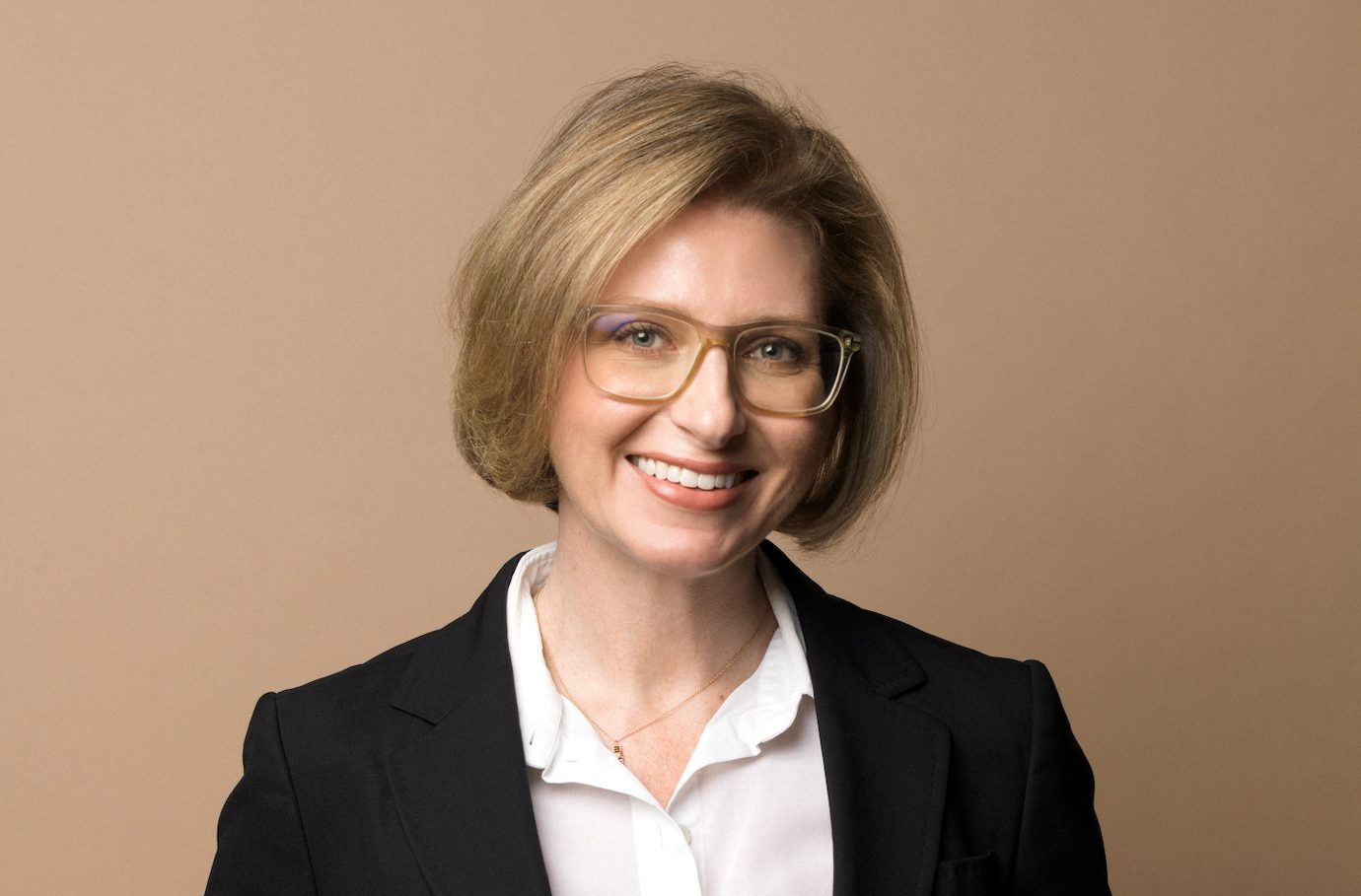

Rebecca Mzengi Corey, Deputy Director at Center for Book Arts
Feb 25, 2026
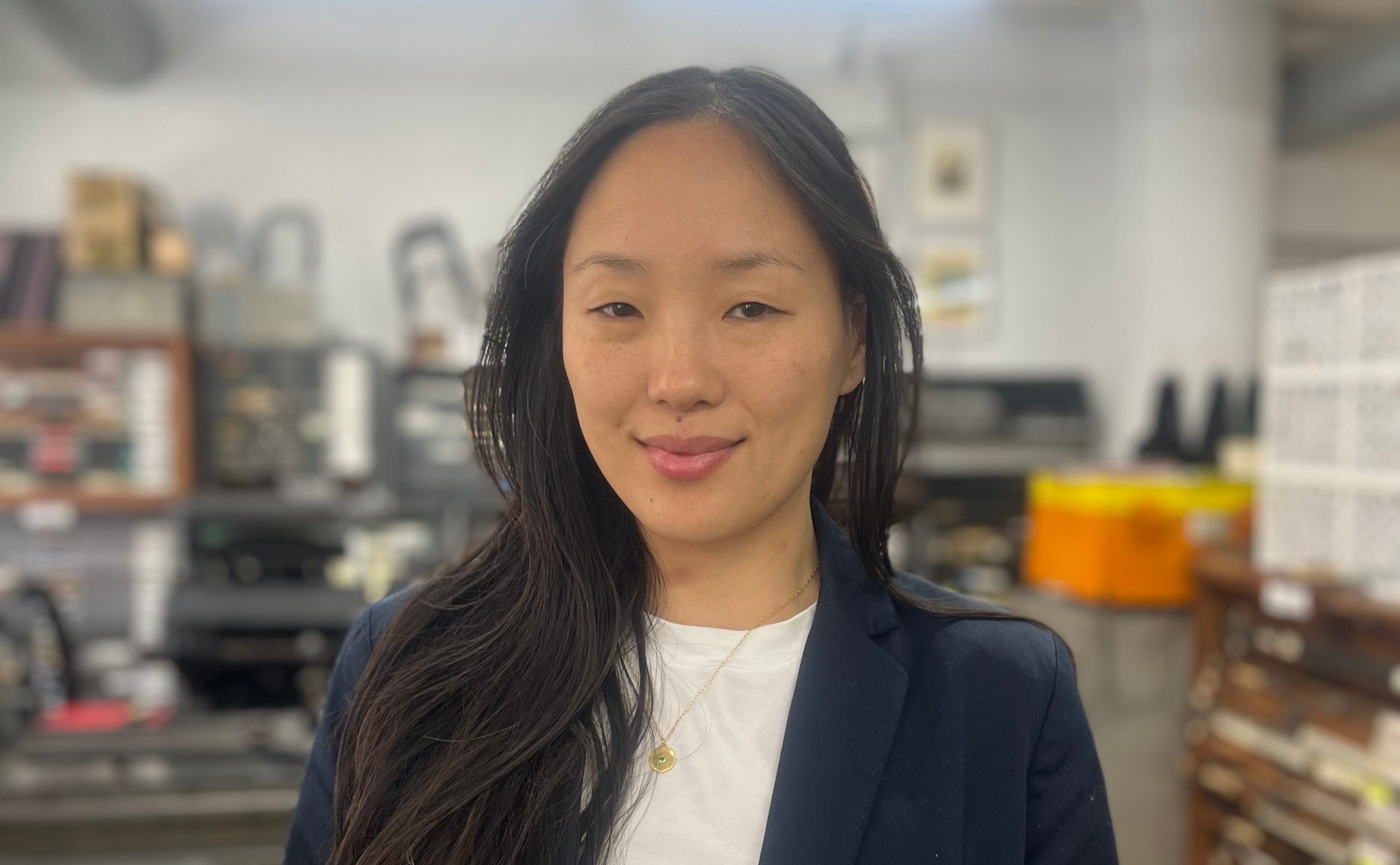
Meet Rebecca Mzengi Corey, Deputy Director at Center for Book Arts, the nonprofit, gallery, and education space located at 28 West 27th Street.
1. Center for Book Arts (CBA) was founded in 1974 and is the oldest nonprofit dedicated to the book arts. Tell us more about Center for Book Arts’ mission.
At CBA we celebrate the idea that a book is more than a container for words — it’s a sequence of spaces and moments, where form, concept, and materials intersect to create meaning. Our mission is to further the making and understanding of books as works of art. Through exhibitions, classes, residencies, and public programs, we help keep alive traditional bookmaking practices like letterpress printing, which dates back to the 1400s, while also supporting ongoing experimentation and innovation with contemporary artistic book making forms and techniques.
Our gallery exhibitions foreground hidden histories of artist bookmaking and independent publishing and are always free and open to the public. In our printshop and bindery studios we offer more than 150 workshops a year in bookbinding, printing, paper marbling, and more. Artists can also work independently in our studios and students and curious bibliophiles come in to browse our public book arts library, so it’s a wonderful place to make friends and build community.
A fun fact is that our printshop has the largest publicly accessible collection of lead type in New York City, with more than 650 fonts to choose from! We’re on the third floor of our building on W. 27th St, so we are a bit of a hidden gem, but people are always thrilled when they discover us.
2. Describe your role as Deputy Director. What aspect of your job excites you the most?
As Deputy Director, I get to wear many hats — from strategy and fundraising to programming and partnerships. The part I love most is working with people: artists, the team, and our audiences. There’s something magical about seeing someone discover and explore a particularly wonderful artist’s book. It can be a full body experience. I also enjoy helping CBA grow, expanding access to new artists and audiences and gaining wider recognition for artist’s books as an important contemporary art medium that can be exhibited and collected alongside painting, sculpture, and other newer media like video art and photography.
3. You previously worked at several major art institutions in East Africa and founded Nafasi Academy for Contemporary Art and Expression in Dar es Salaam, Tanzania. What led you to pursue a career in the arts? For those aspiring to work in the field, what professional advice can you share?
For me, the arts have always been a way to hold the complexity — personal, cultural, political — that both reflects and shapes the society around us. I started out as an artist myself, making films, installations, and writing poetry. Working in East Africa led me to see the formation of art spaces as a new evolution in my own creative practice. I wanted to help create an ecosystem where artists could take risks, collaborate and exchange, and make connections across disciplines and mediums.
For anyone starting out, I’d say: be bold while staying kind, and create the world you want to live in. Never stop learning and asking questions. In this field, I always go back to the quote from Kahlil Gibran that work is love made visible. Culture work is often taken for granted, because we’re working in a laboratory of ideas and dreams where often the products or objects are far less important than the process itself. Don’t give up on the value of that process, on art as liberation from conformity and uniformity.
4. What are the current and upcoming exhibitions at Center for Book Arts? Do you have a favorite workshop recommendation?
Right now, we have two exhibitions on view that I’m particularly excited about. Shatter/Chatter: Rosaire Appel explores expansive gestures of mark-making, symbols, and signs in ways that imitate language while simultaneously transcending it. Rewriting the World: Isidore Isou and the Lettrist Book invites visitors into the radical experiments of the avant garde movement called Lettrism, showing how books can be reimagined as tools for artistic and social transformation. Both shows capture the spirit of CBA — honoring the book’s history while embracing its most daring possibilities. They also get at this difficult question of communication. How can we truly understand one another? Is it the words we use or the feelings and yearnings behind them?
As for workshops, I always recommend Bookbinding I. There is something magical about realizing how simple it is to fold and switch together a book, and once you’ve started, how many inventive and unexpected forms a book can take. Every choice matters, from the type and size of paper, to the color of the thread you use to bind the book. Bookbinding connects you to centuries of history while also feeling completely relevant in this moment. Especially in this increasingly digital and algorithmic age, the tactile experience is revelatory. It’s also great to meet new people in person while learning and make something with your hands. It stops doom-scrolling and replaces it with something so much more enlivening.
5. Flatiron & NoMad is a hub for arts and culture. How has the neighborhood’s vibrant energy and evolution influenced the way Center for Book Arts operates and innovates here?
Flatiron & NoMad is such a wonderful place to come every day. The neighborhood draws in artists and audiences from all walks of life, which means we’re constantly meeting a wonderful mix of interesting people. CBA has been at our current space on West 27th St between 6th and Broadway for nearly 20 years, so this is definitely home. Our goal is to be a place where anyone who stops in will feel a sense of both discovery and belonging, and this neighborhood continues to inspire us to expand and evolve.
6. When you’re taking a break from Center for Book Arts, how do you like to spend your time in Flatiron & NoMad?
When it’s warm out, I love eating lunch in Madison Square Park and watching the dogs play their own version of king of the hill. There are so many fantastic restaurants around here and I’ve become addicted to trying out new places. One of my favorite tidbits of neighborhood history is that CBA is just one block down from Tin Pan Alley which was the center of popular music publishing worldwide in the late 1880s through the mid 1900s. We’re also right next to the Flower District which is also a lovely place to stroll and literally stop to smell the flowers.
7. Finally, choose three words to describe Flatiron & NoMad.
Creative. Layered. Energizing.
Header & Thumbnail Photo Credit: Rebecca Mzengi Corey via Center for Book Arts